Mapping Broker-Exchange Connections for Darts Arbitrage Opportunities
Zoe Ludwig · Aug 22, 2026
Mapping Broker-Exchange Connections for Darts Arbitrage Opportunities
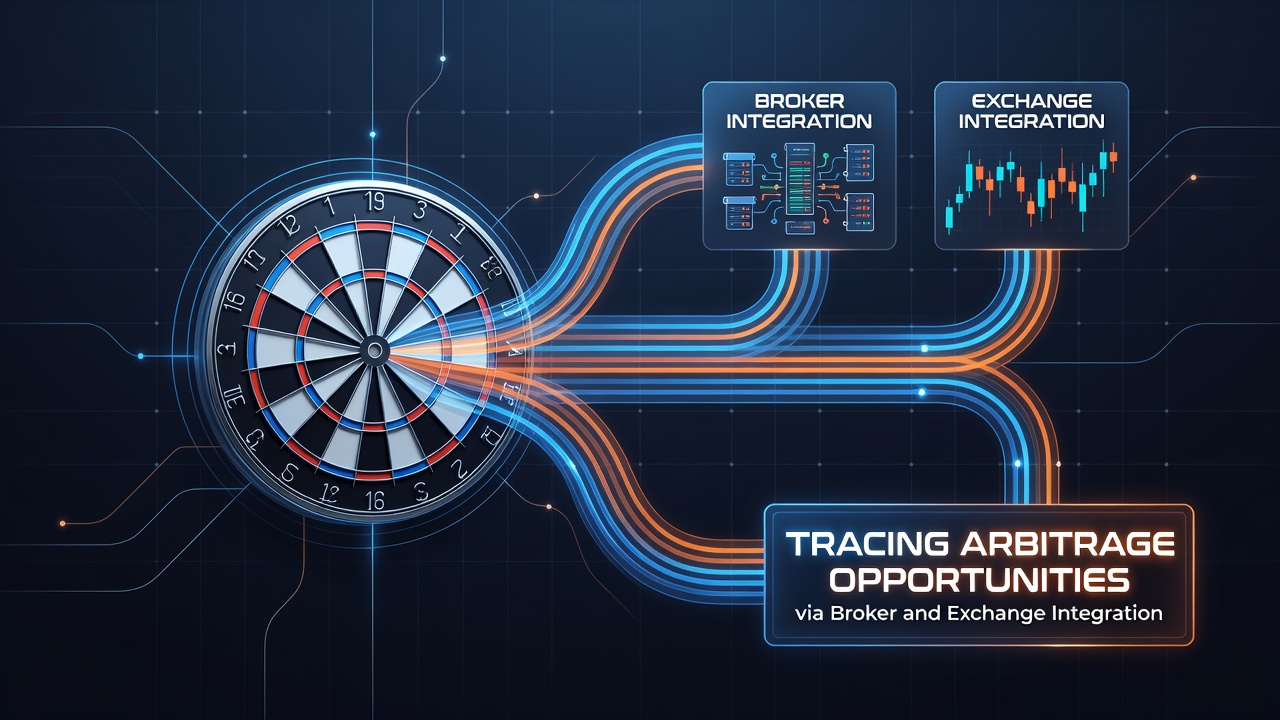
Professional darts tournaments generate frequent price discrepancies across bookmakers and betting exchanges because live scoring updates move rapidly while different platforms adjust odds at varying speeds. Observers note that brokers serve as intermediaries who aggregate lines from multiple sources and route them into unified interfaces where traders can act on misalignments before they close. Data indicates these discrepancies appear most often during extended legs or when underdogs mount comebacks in PDC events and other major circuits.
Core Mechanics of Broker and Exchange Linkages
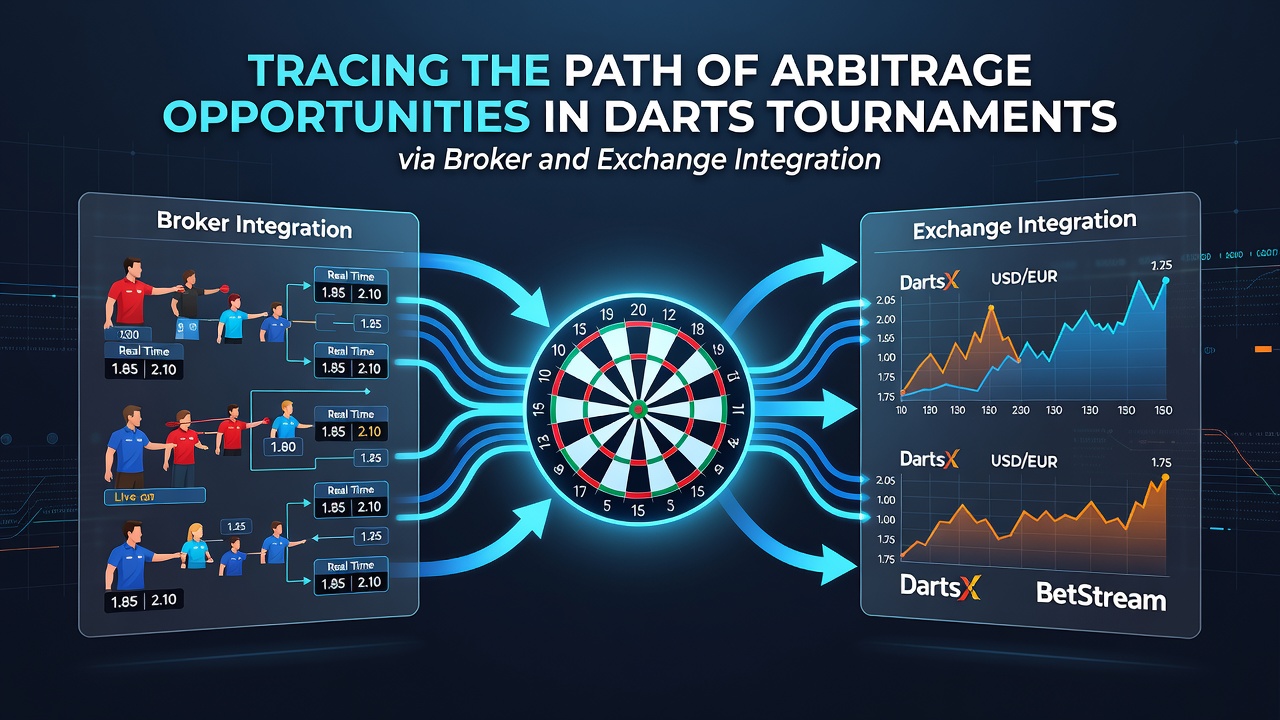
Brokers establish direct API connections to both traditional bookmakers and exchange platforms so that price feeds update in real time without manual refresh cycles. Traders receive consolidated dashboards that flag instances where a back price on one venue exceeds the lay price available on another by a margin large enough to cover commissions. Research from industry technology providers shows these linkages reduce execution latency to under two seconds in many cases, which matters because darts matches progress point by point and odds shift with each dart thrown.
Integration layers also handle stake allocation automatically once an arbitrage window opens. The system calculates the exact amounts required on each side to lock in a fixed return, then places the orders simultaneously across the connected venues. Those who have studied these setups report that risk controls embedded in the broker software prevent overexposure when liquidity dries up on one side of a market.
August 2026 Tournament Patterns
During the summer schedule of 2026, several high-profile darts events produced repeated arbitrage sequences that followed predictable timing. Early rounds featured wider spreads between bookmakers and exchanges because field sizes were larger and information about player form traveled unevenly across platforms. Later stages narrowed those gaps once more data accumulated and market participants adjusted. Figures from exchange volume reports reveal that arbitrage activity clustered around matches involving players whose recent results created temporary overreactions in one direction or the other.
Execution Pathways and Liquidity Routing
Arbitrage paths typically begin when a broker feed detects a back price on a bookmaker that sits above the best available lay on an exchange. The software then checks available liquidity at both venues and confirms that the required stakes fit within posted limits. Once confirmed, orders transmit in sequence that protects the overall position even if one leg faces a delay. People who monitor these flows note that exchanges often provide deeper liquidity for popular players, while bookmakers occasionally post outlier prices on less followed matches to balance their books.
Additional layers of integration incorporate currency conversion tools and margin management so international traders can participate without manual hedging. Regulatory filings from bodies such as the Irish Revenue Commissioners illustrate how cross-border settlement volumes have grown alongside these technological connections. Academic studies on market efficiency, including work published by the Singapore Management University Centre for Research in Financial Markets, document similar patterns in other fast-moving sports where automated routing captures small edges repeatedly.
Risk Controls Within Integrated Systems
Broker platforms embed automatic checks that pause trading when exchange liquidity falls below predetermined thresholds or when bookmaker limits trigger on one side. These safeguards reduce the chance that a partial fill leaves an unbalanced position. Observers note that successful operations maintain detailed logs of each arbitrage cycle so that performance metrics can be reviewed against changing market conditions across different tournament stages.
Conclusion
Broker and exchange integration creates traceable routes for arbitrage in darts by combining real-time feeds, automated stake calculation, and simultaneous order placement. The process relies on latency reduction and liquidity verification that allow positions to close before discrepancies disappear. Data from multiple regulatory and academic sources shows these mechanisms operate across various tournament formats, with activity patterns shifting according to round progression and player popularity. Continued refinement of API connections and risk protocols sustains the operational framework that supports this form of market participation.