Skyborne Inputs Shape Real-Time Market Adjustments in Outdoor Events
Ben Russell · Aug 22, 2026
Skyborne Inputs Shape Real-Time Market Adjustments in Outdoor Events
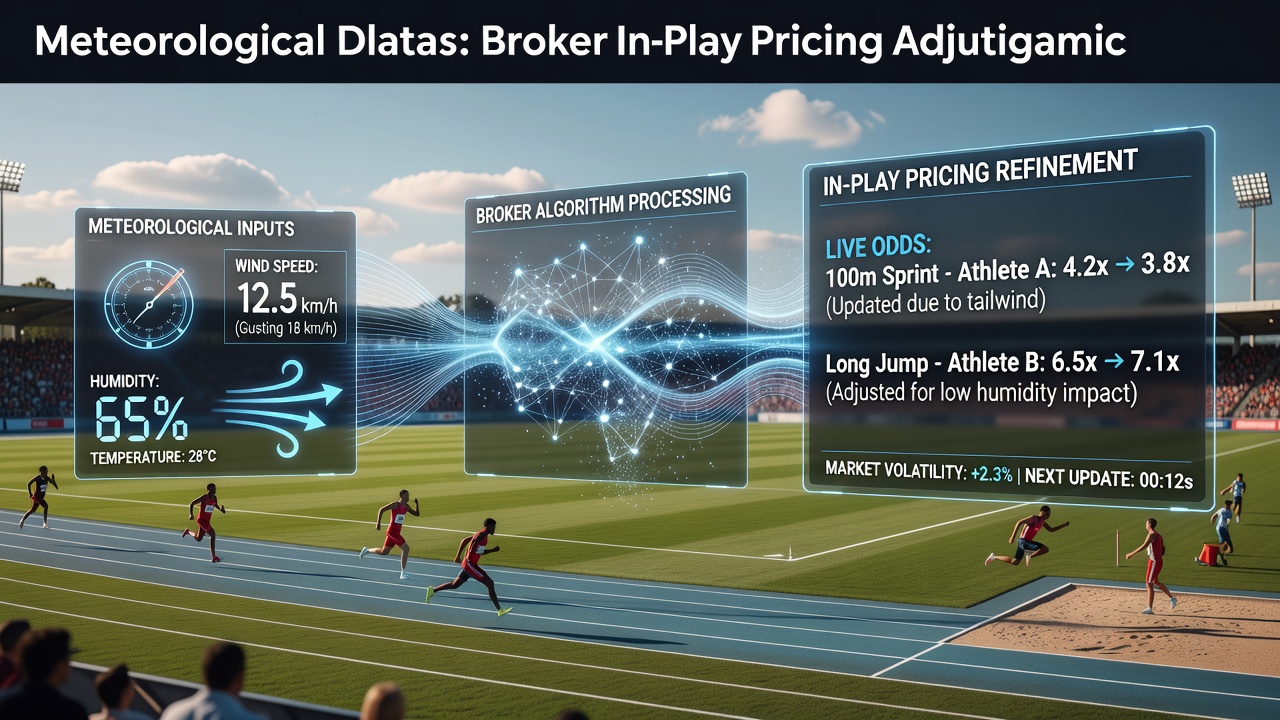
Outdoor competitions expose athletes and markets to constant atmospheric shifts that directly influence performance metrics and therefore in-play pricing models. Brokers integrate meteorological feeds to recalibrate odds as conditions evolve, and algorithms process variables such as wind speed, precipitation rates, humidity levels, and temperature gradients in sub-second intervals. Data from ground stations, satellite networks, and on-site sensors flow into proprietary systems that adjust implied probabilities for outcomes ranging from point winners in tennis to goal probabilities in football matches.
Core Weather Variables That Drive Pricing Changes
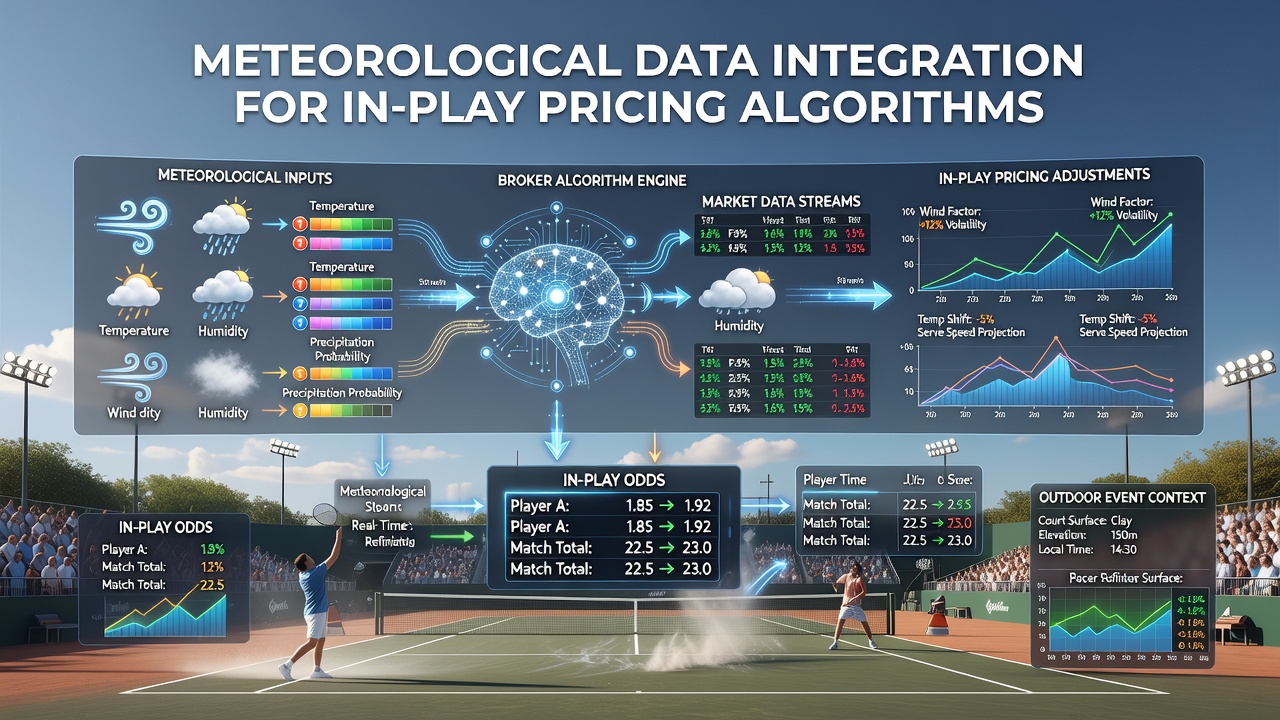
Wind direction and velocity alter ball trajectory in sports like golf, cricket, and tennis, prompting brokers to recalculate spread and handicap lines while matches unfold. Rainfall intensity affects surface grip and player movement, so algorithms raise or lower probabilities for high-mobility outcomes accordingly. Temperature swings influence muscle elasticity and stamina, leading systems to modify over-under totals on total points or distance covered. Humidity compounds these effects by accelerating fatigue, and algorithms weight each factor against historical performance data collected under similar conditions to generate updated prices.
Data Acquisition and Processing Pipelines
Specialized providers deliver granular forecasts at five-minute resolution for venues hosting major events, and brokers merge these streams with live scoring feeds. In August 2026, multiple outdoor tournaments across Europe and North America relied on enhanced radar arrays that supplied precipitation nowcasts accurate to within one kilometer, allowing pricing engines to respond before visible changes appeared on broadcast feeds. Machine-learning layers compare incoming readings against thousands of prior matches, then output revised probabilities that traders or automated systems push into exchange order books.
Algorithmic Integration Across Sport Types
Tennis markets demonstrate rapid sensitivity to cross-court wind gusts that favor or hinder serve percentages, and systems automatically widen spreads on next-point bets when gust thresholds exceed preset levels. Cricket algorithms adjust run-rate expectations during rain interruptions by factoring in pitch drying rates derived from humidity and solar radiation data. Football pricing models recalibrate corner and card probabilities when heavy downpours reduce passing accuracy, and these adjustments occur within milliseconds of updated weather packets arriving. Observers note that layered models often combine venue-specific microclimate histories with real-time sensor arrays mounted on stadium structures to isolate localized effects such as swirling winds near open stands.
Latency Management and Accuracy Thresholds
High-frequency trading environments demand that meteorological inputs reach pricing engines before the next scoring event occurs, and firms maintain redundant data paths to minimize transmission delays. When sensor outages occur, fallback protocols switch to interpolated forecasts from nearby stations while flagging increased uncertainty bands that widen quoted spreads. Research from meteorological agencies shows that forecast skill degrades sharply beyond ninety minutes for convective precipitation events, prompting algorithms to discount longer-horizon adjustments during unstable summer conditions.
Regulatory and Industry Data Sources
National weather services such as NOAA supply standardized surface observations that brokers incorporate into validation routines, while academic studies from institutions like the University of Reading examine correlations between atmospheric pressure gradients and elite athletic output. These external datasets undergo cleansing and normalization before ingestion, ensuring consistency across multiple venues and competition formats. Industry reports from organizations tracking global sports analytics spending further indicate rising investment in sensor fusion technologies that combine weather, biometric, and positional data into unified risk models.
Case Examples From Recent Seasons
During a high-profile golf major, sudden gust increases above twenty kilometers per hour triggered automated repricing of birdie probabilities on exposed holes, and volume spikes on exchange markets reflected the swift adjustment. In a cricket test series affected by intermittent showers, algorithms reduced projected run totals by eighteen percent within four minutes of confirmed rainfall, allowing traders to hedge existing positions before manual intervention became necessary. These instances illustrate how pre-programmed thresholds convert raw meteorological packets into executable price revisions that maintain market equilibrium amid fluctuating conditions.
Conclusion
Meteorological integration has become a standard component of in-play pricing infrastructure for outdoor competitions, and continued advances in sensor density alongside faster data pipelines will likely tighten the temporal gap between atmospheric change and market response. Brokers that maintain robust validation layers against multiple weather sources preserve pricing integrity even when single feeds experience disruption, and the interplay between environmental data and algorithmic outputs continues to define competitive edges in live trading environments.